

America is unusually good at ghost tours, for a grim reason: so much of its violent history is recent enough to feel close, and well documented enough to retell without inventing anything. The problem is that the quality swings wildly. For every guide who has read the coroner’s reports there are three running a glorified hayride with a fog machine.
A good ghost tour has one tell: specificity. If the guide can tell you what happened, exactly where, and roughly when, you are getting history with a chill. If it is all “they say” and “some people feel,” you are getting theatre.
What actually happens on a good one
If you have never taken a ghost tour, set the right expectations: the good ones are not haunted houses. Nobody jumps out at you. What you get instead is roughly ninety minutes of walking, usually a mile or less, led by someone who is equal parts historian and storyteller, stopping at six or eight real sites where something genuinely happened. The “ghost” framing is the hook; the history is the substance. You will learn more about a city’s actual past on a strong ghost walk than on most daytime sightseeing tours, because the dark stories are the ones that got written down in detail.
The craft is all in the guide. A great one knows which detail to withhold until you are standing in the exact spot, when to drop their voice, and how to let a silence do the work. A weak one reads facts off a card and rushes you to the next stop. You can usually tell within the first ten minutes — and the difference is why the specific tours below are worth seeking out rather than grabbing whatever flyer a costumed teenager hands you on the street.
A note on what “haunted” means here, too. None of these tours ask you to believe in anything. The cemeteries, the plague pits, the murder sites and the prisons are all real and documented; whether you think something lingers there afterward is left entirely to you. That is the honest version of the genre, and it is the version that holds up — a true story told well in the dark needs no embellishment to raise the hair on your arm.
Why pay a guide when the streets are free
It is a fair question — you could read the plaques and walk the same blocks yourself for nothing. The honest answer is that a ghost tour is not selling you access to the street; it is selling you the part of the story that was never written on a plaque. A good guide has read the coroner’s reports, knows which house the lore actually attaches to versus the one across the road that gets misidentified, and has the timing to withhold the worst detail until you are standing on the exact spot. That is a performance built over hundreds of nights, and it is the difference between a fact and a chill.
There is a logistical case too. The sites worth seeing are rarely the ones with signage, and several — a working cemetery after hours, a private courtyard, a building now closed to the public — you cannot reach alone at all. A guide handles the route, the order and the access, so an hour and a half delivers six or eight real stops instead of you wandering between half of them. The filter for whether it is worth it is the same one from the top: if the operator names the sites and the dates, you are paying for research and access, which is worth it. If it is all atmosphere and no specifics, save your money and walk the block yourself.
The heavyweights
With that filter in mind, six tours pass the test, each for a different reason.
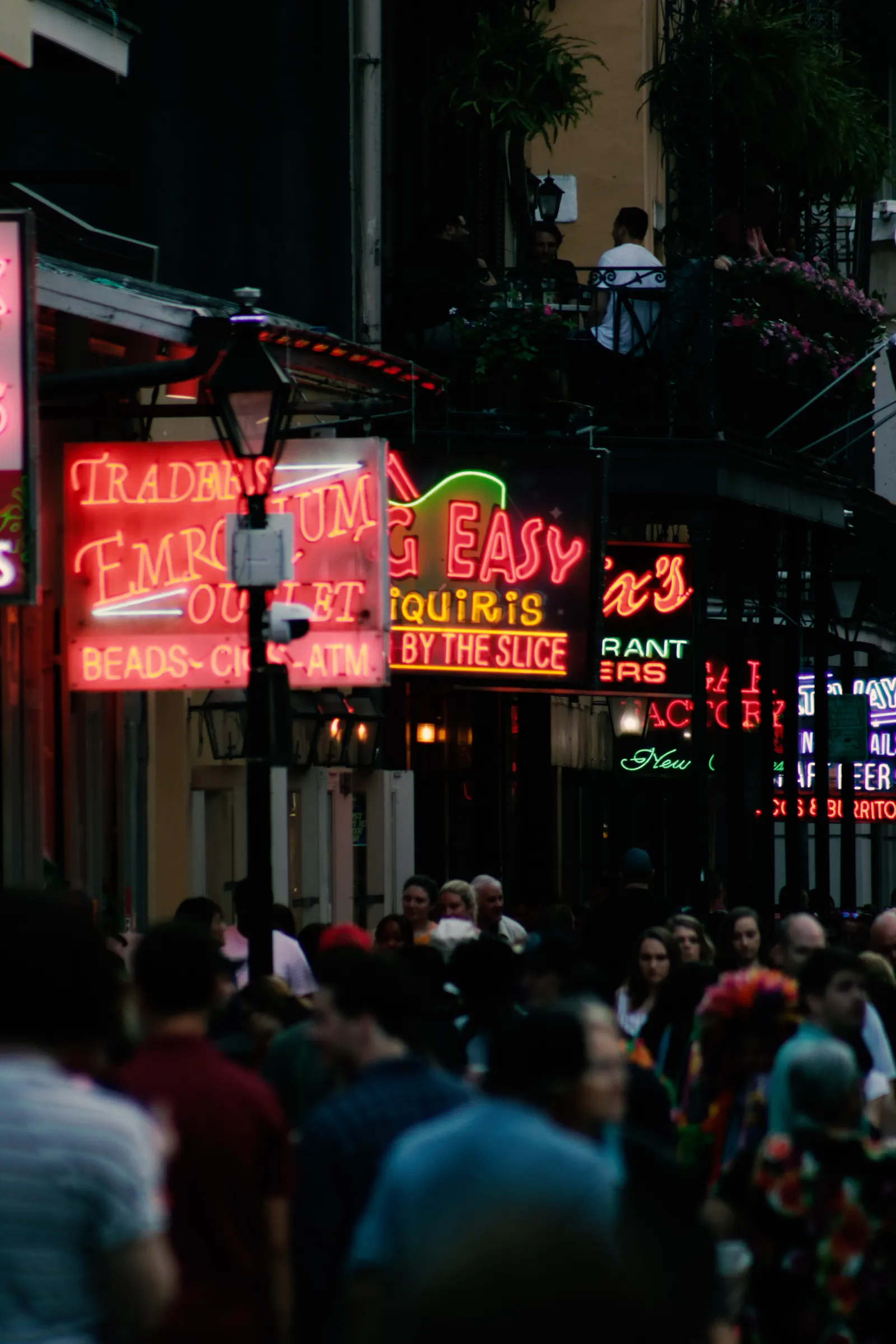
New Orleans is the genre’s capital, and it earned the title honestly — a city built on yellow fever, fire, flood and a living folk religion that never went away. A ghost, voodoo and vampire walk through the French Quarter is the rare tour where the supernatural framing is not a marketing layer but part of how the city actually understands itself. It bundles three threads most cities cannot — the documented hauntings, the living tradition of voodoo, and the surprisingly durable vampire lore — into one walk through the Quarter’s oldest blocks, told by guides who treat all three as part of the historical record rather than a theme. The Quarter still has the geography these stories happened in, close enough to walk in ninety minutes, which is why this is the genre’s definitive night. Start here if you only ever take one.
Philadelphia is the dark-history counterweight: less voodoo, more gallows. As the early capital it accumulated prisons, hospitals and graveyards faster than anywhere, and its adults-only night walk through the city’s genuinely dark history leans into the documented grim — the bodies under the streets, the institutions that left a mark. Heavy on the documented, light on the gimmicks.
The city walkers
New York hides its hauntings in plain sight. Greenwich Village looks like the prettiest corner of Manhattan until a guide points out that Washington Square Park is a former potter’s field with tens of thousands still buried under the lawn, the bodies never moved when the city laid out the park on top of them. A late-night Village ghost walk threads that gap between the postcard and the grave — the elegant townhouses, the hanging tree, the hauntings that cling to specific addresses — through streets that quietly seeded a lot of American horror. It is the gentler end of the genre, walkable and well-lit and fine for the squeamish, but the gap between how pretty the Village looks and what is under it is the whole unsettling point, and a good guide makes you feel it on a block you would otherwise stroll straight through.
Chicago folds its gangsters into its ghosts, because in Chicago they are the same people. A gangsters-and-ghosts walk through the Loop covers the Prohibition hits and the spirits said to linger at them, treated as one continuous story and grounded in real Capone-era history rather than invented spookiness. Documented history, not fog and screams.
The wildcards
Las Vegas should not work as a ghost-tour town — it is too new, too lit, too determined to forget. That is exactly what makes its Strip hauntings walk through the mob history buried under the neon land: the mob built this place, and the bodies it left behind sit under all that wattage. The ghost tour you would never expect Vegas to have, and the better for it.
Miami rounds it out by proving South Beach has more than a tan. A walking ghost tour of the Art Deco district works the haunted hotels and old crimes behind the pastel — the side of the neighborhood the postcards crop out, and proof the prettiest strip in Florida has a darker guest list.

How to choose, and how to book
Pick by appetite, not by city. Want the full supernatural immersion? New Orleans. Documented grim history? Philadelphia or Chicago. A surprise? Vegas. Going with kids or the squeamish? The Village walk and Miami sit at the gentler end; the New Orleans and Philadelphia tours run darker and skew adult. Whichever you choose, book ahead for weekend slots and dress for a real walk — these are an hour or two on your feet, often on uneven ground.
Book a tour
Live prices and availability open on each partner site. We may earn a commission, at no extra cost to you.
Every tour here links to a vetted booking partner where you confirm live times and prices before you commit. For a city-by-city deep dive, start with the New Orleans and Chicago guides, or read the best bar crawls in the USA for the louder half of the night.