

Most people book their first ghost tour with roughly the same expectation: someone in period clothing will take them to a dark corner and try to scare them. Sometimes that is what happens. More often, if you have booked the right tour, it is something considerably more interesting.
A ghost tour is a format. What goes inside that format varies enormously. The best ones are history tours with atmosphere. The worst ones are performances with a route. Here is what separates them.
What actually happens on a ghost tour
You meet at a fixed point — usually in the open air, near a recognizable landmark. The guide introduces themselves and sets expectations. Then the group walks. Stops happen at specific locations: a building with documented history, a street corner with a recorded incident, a cemetery, a church, a bridge. At each stop the guide tells a story rooted in that specific place.
The stories range from well-documented historical events to local legends that have been told long enough to acquire their own weight. Good guides are clear about which is which. The best tours operate like good long-form journalism: they distinguish between what is known, what is likely, and what is a story people tell.
There is rarely anything that jumps out at you. The atmosphere is the point. City sounds change at night. Crowds thin. Familiar streets become unfamiliar. That shift in the environment is what ghost tours work with, and it is more effective than most people expect.
What makes a good ghost tour
The guide matters more than anything else. A ghost tour with a deeply researched guide and an uninspiring route will outperform a perfectly designed route with a poor guide. Look for tours where guides have demonstrable expertise — a history background, a genuine connection to the city, strong independent reviews that specifically mention the storytelling.
Group size matters. A walk of eight people is a fundamentally different experience from a walk of forty. With a smaller group you can hear clearly, ask questions, and actually engage with the guide. Many of the best-reviewed ghost tours deliberately cap their numbers.
The route matters less than it appears. Any city with enough history has enough material for a ghost walk. What the route should do is use the physical environment well — choose locations where the place and the story reinforce each other.
By city: what to expect where
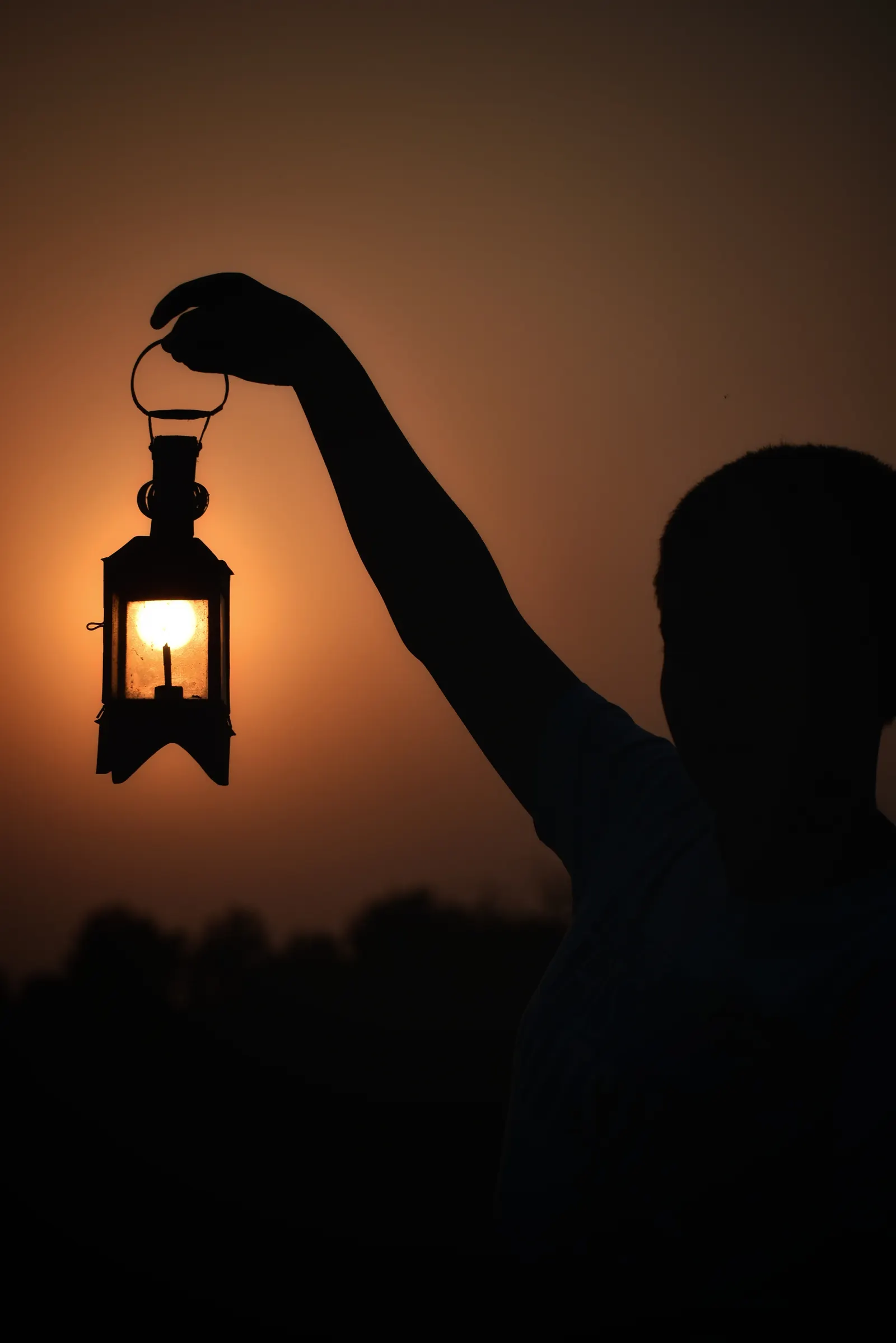
Philadelphia has layered material: colonial history, Revolutionary-era violence, yellow fever epidemics, and streets that have not changed their layout in three hundred years. The Ghosts of Philadelphia tour works this geography well. The candlelight ghost tour uses the physical format — actual candles, smaller group — to create atmosphere before the first story begins.
New Orleans is the American city most associated with ghost tourism, and it earns it. The French Quarter has genuine dark history: plague, slavery, violence, and a Caribbean-influenced culture that processes death differently from anywhere else in North America. The ghost, voodoo, and vampire walk covers this territory with the seriousness it deserves.
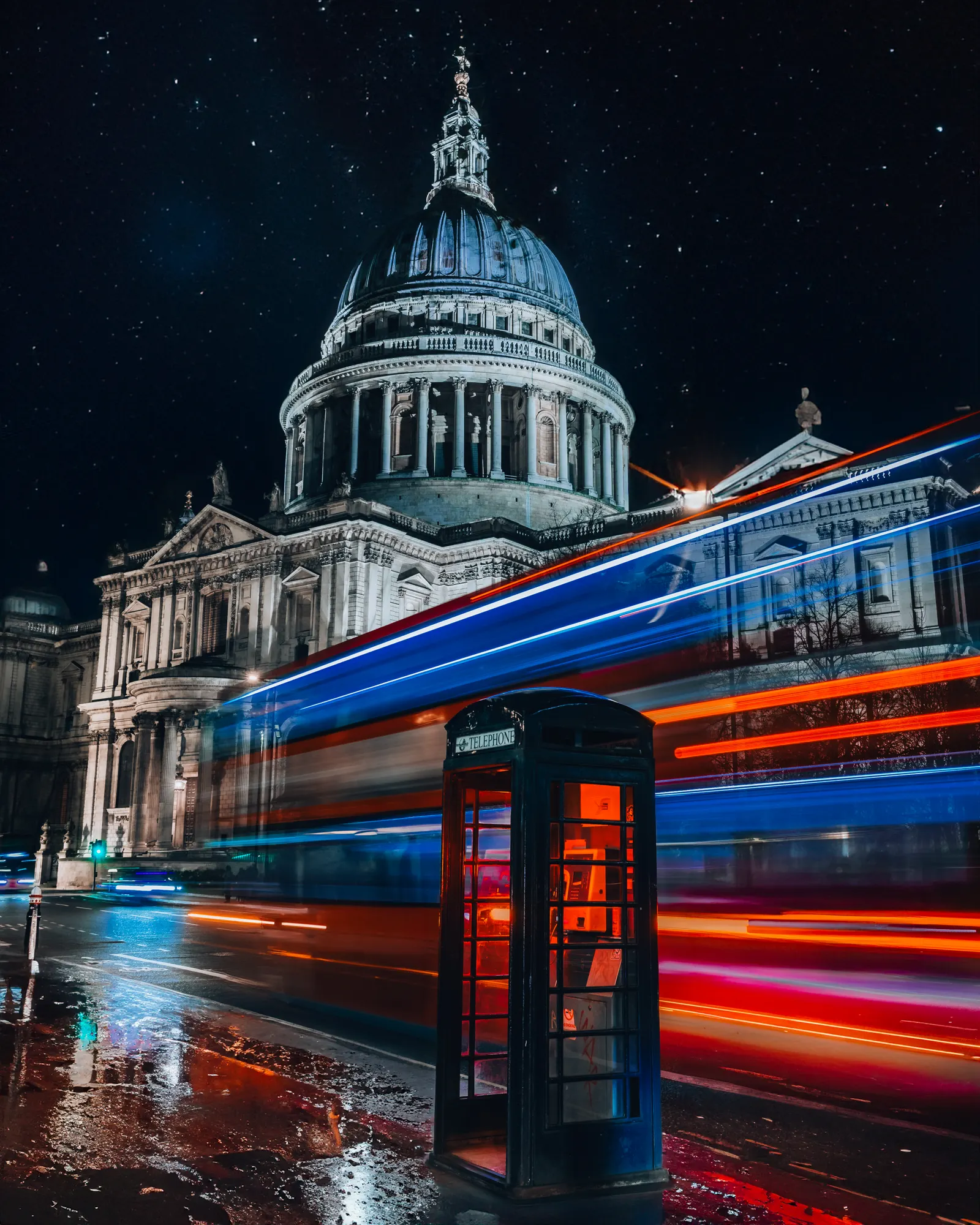
London has depth that very few cities can match. Two thousand years of continuous occupation leaves material. The London ghost walk routes through the City — the ancient Roman and medieval core — and uses locations whose documented histories go back centuries.
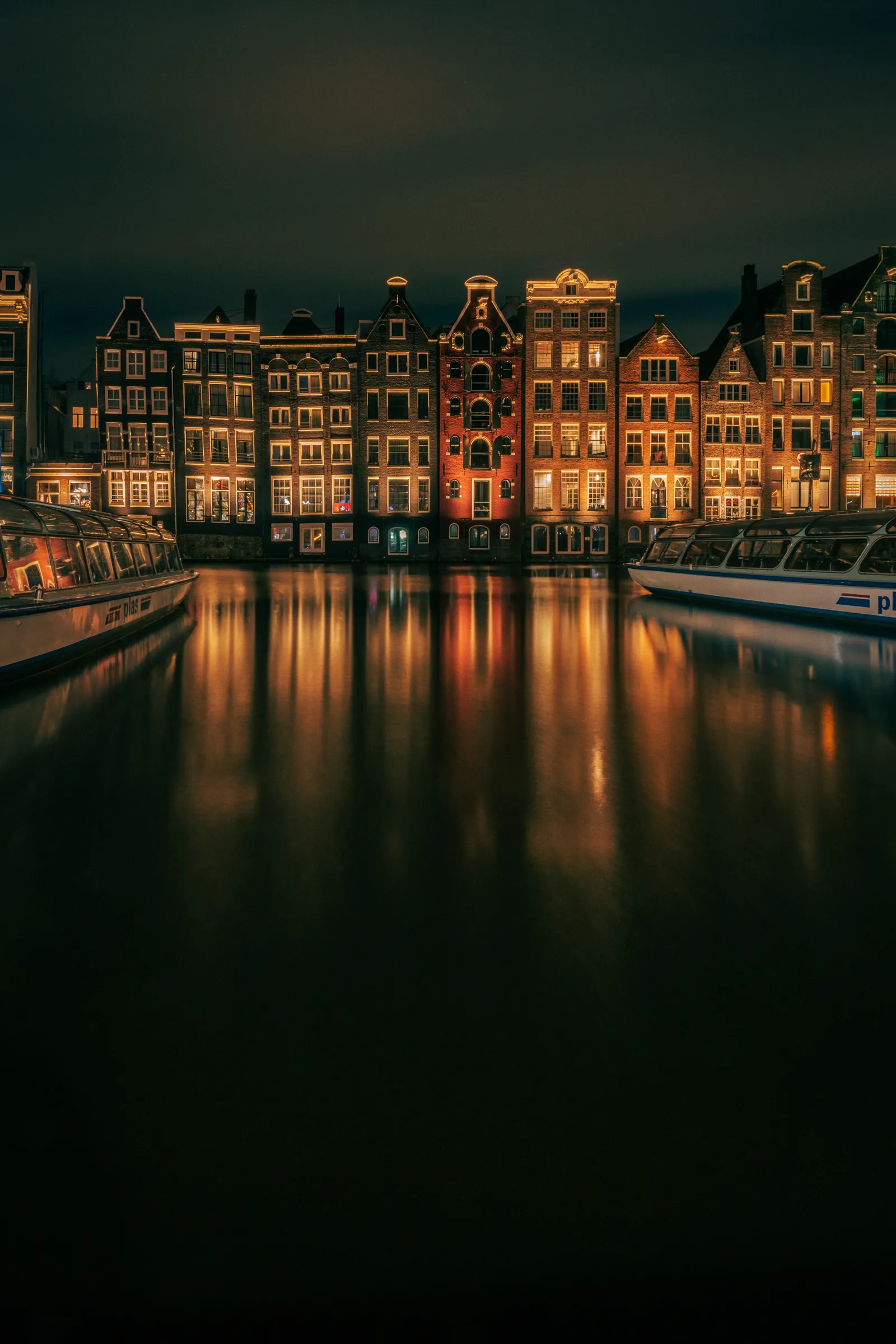
Amsterdam is underrated as a ghost-tour city. Its maritime wealth created inequality, its Golden Age created exploitation, and its canals have absorbed several centuries of history that daylight tourism barely touches. The Amsterdam ghost and canal walk is one of the better-reviewed tours in this portfolio for exactly that reason.
Paris, Rome, Prague, and Budapest each carry multiple layers of violence, memory, and legend through their architecture. The European ghost tour differs from its American equivalent primarily in scale — the history goes deeper, the buildings are older, and the stories rely less on manufactured atmosphere because the atmosphere is already there.
Practical notes
Wear comfortable shoes. Ghost tours are walking tours. Most run for ninety minutes to two hours. Weather is your problem — bring a layer. Most tours run rain or shine. Cancellation policies vary; check the live listing before you book.
Do not expect to be frightened. Expect to see a familiar city from an unfamiliar angle, to hear stories you would not have found on a day tour, and to leave with a better sense of how much history a street can hold.
TAD take: the ghost tour works when the guide is doing history with atmosphere rather than theatre with a route. The cities in this portfolio have the material. The listed tours have the guides. The rest is up to the night.