

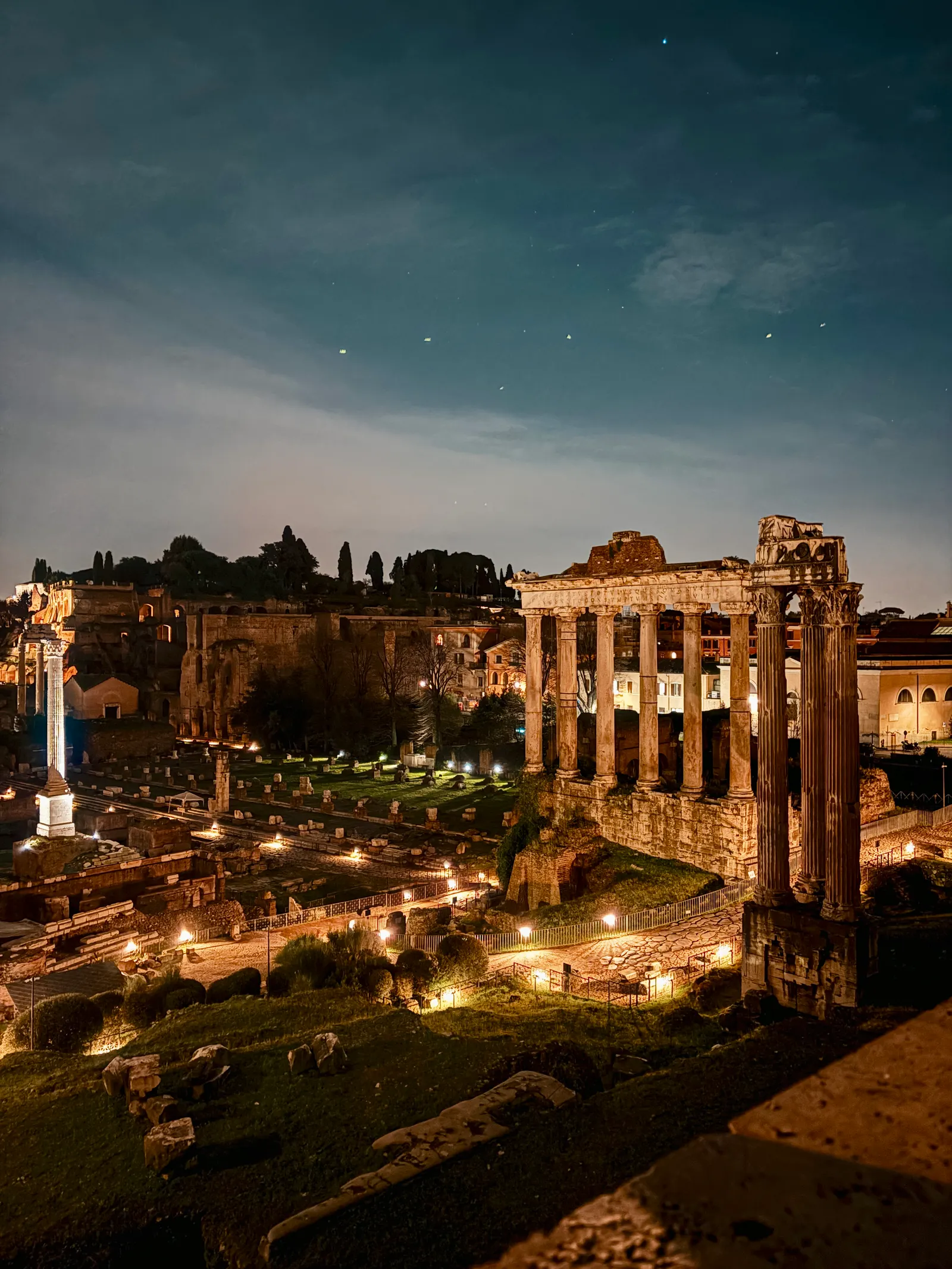
Rome in daylight can overwhelm you into numbness. There is too much of it. A wall that would be a national treasure somewhere else becomes background texture on the way to coffee. A piazza holds more history than most cities can offer in a week. By the second afternoon, the extraordinary starts behaving like furniture.
Night fixes that. The heat lifts off the stone. The tour groups thin. The monuments stop competing for your attention and begin to feel physical again. Rome after dark is not a softer version of Rome. It is the city with the volume lowered enough that you can finally hear it.
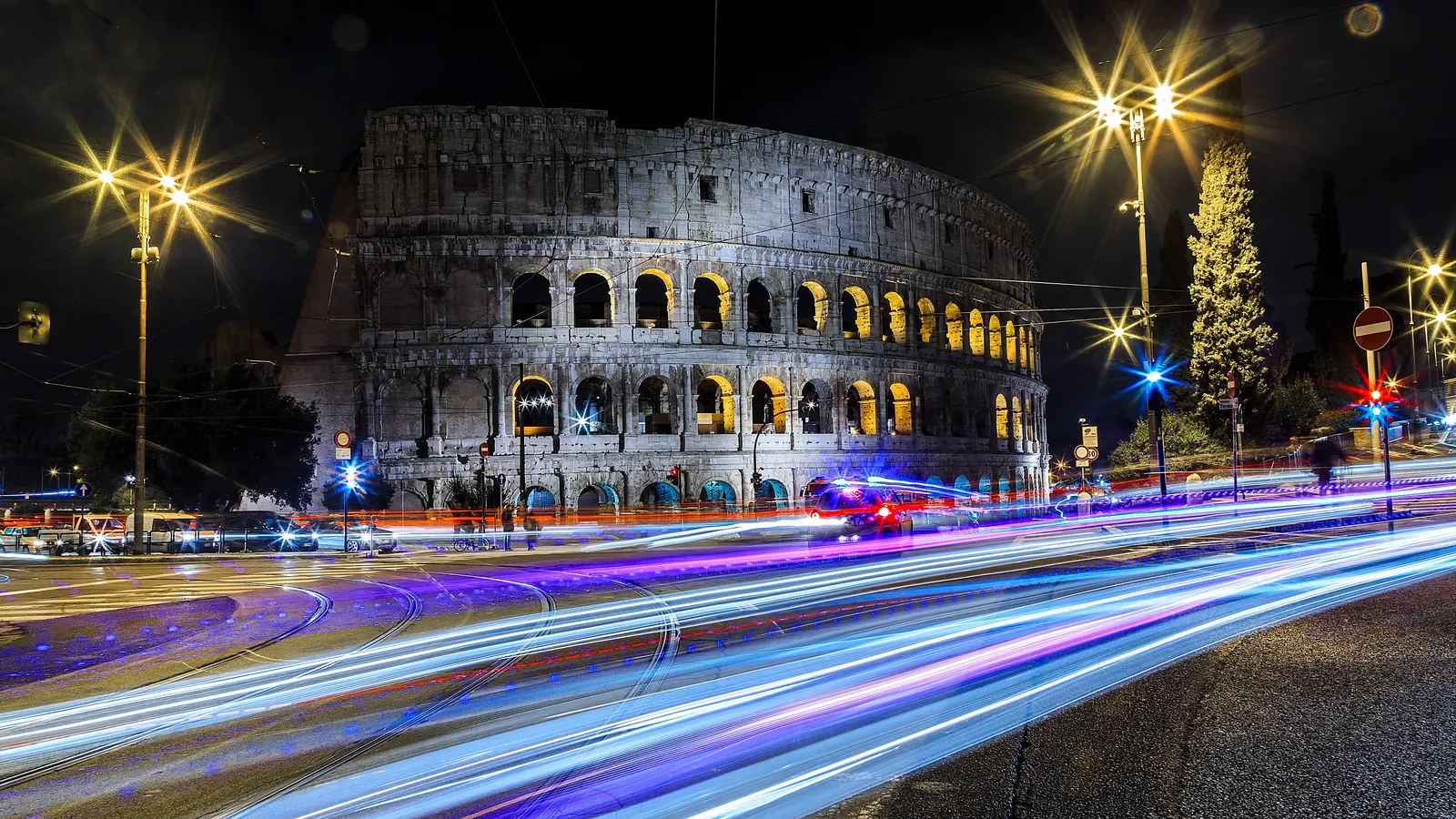
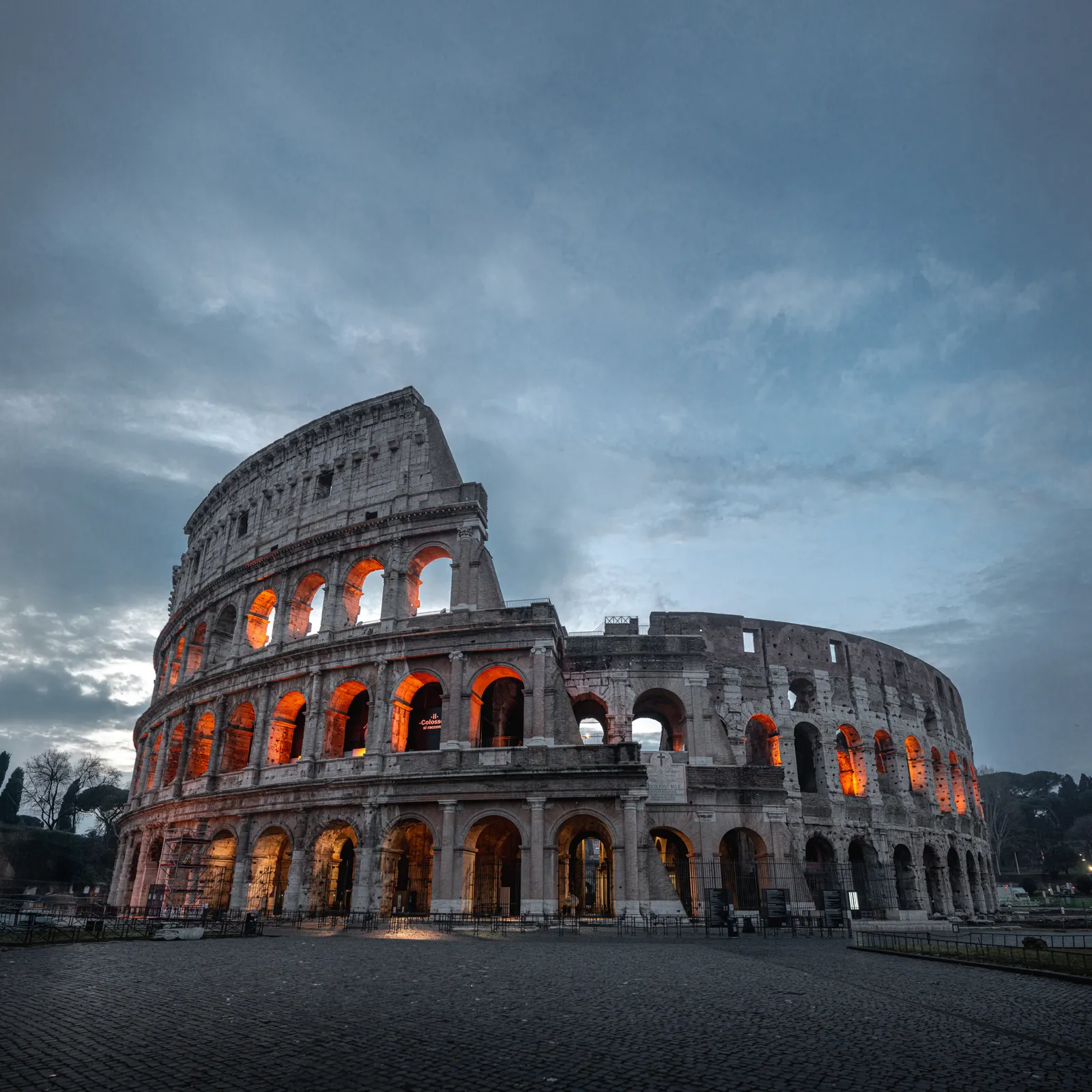
The Colosseum is the obvious example, and for once the obvious example is right. During the day you queue, you shuffle, you photograph the thing over someone’s shoulder and move on. When after-hours access to the arena and the underground levels is available, the building changes from icon to machine. You stop thinking about pictures and start thinking about entrances, trapdoors, crowds, and the people who moved through the structure before they became history. The official night programming leans into that atmosphere, because the building makes more emotional sense once the sun is down.
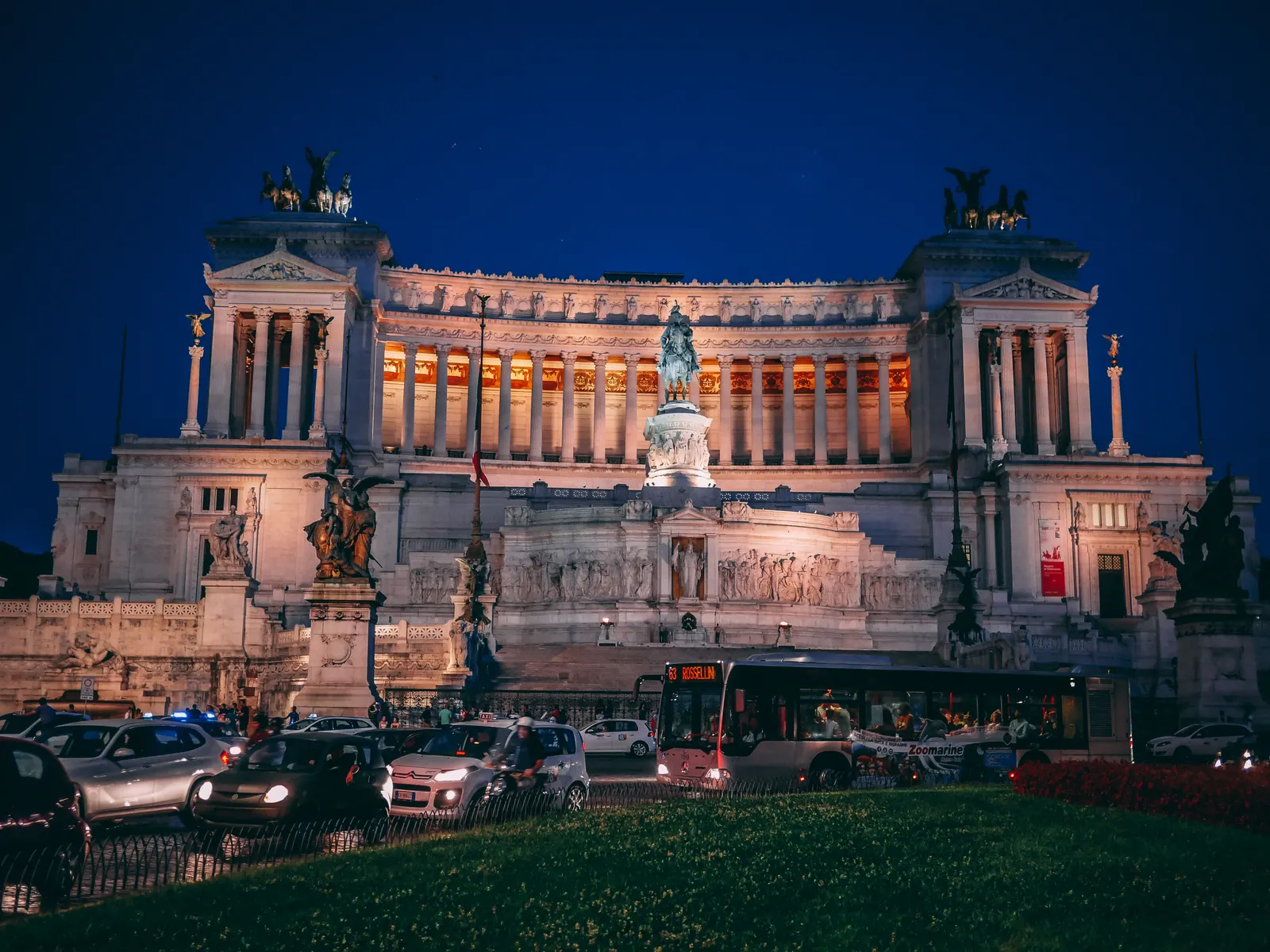
Free things to do in Rome at night
Here is the part the tour operators will not lead with: a great deal of Rome at night costs nothing. The city floodlights its own history and leaves the squares open. On a first night, the single best thing you can do is walk between them with no ticket and no plan.
Start at the Trevi Fountain, but go late. Nicola Salvi’s 1762 waterfall is mobbed shoulder-to-shoulder until well after dinner. Arrive close to midnight and the crowd thins enough that you can reach the edge and hear the water instead of the selfie sticks. From there it is a five-minute walk to the Pantheon. Its portico has stood since roughly 126 AD, and it looks better lit from outside at night than it does packed with day visitors. Two minutes further is Piazza Navona, built over the old Stadium of Domitian. Bernini’s Fountain of the Four Rivers runs all night, and a few street musicians usually hold the far end of the square. That loop, Trevi to Pantheon to Navona, is twenty minutes of slow walking and the most efficient free introduction to the city there is.
If you want a view instead of a fountain, Rome hands you three for nothing. The Pincio Terrace above Piazza del Popolo catches the sunset and then the city lights, and nobody checks a ticket. The Giardino degli Aranci, the orange garden on the Aventine Hill, stays open late and looks straight across the Tiber to the dome of St Peter’s. The Janiculum, the ridge above Trastevere, gives you the whole skyline at once: domes, rooftops, the occasional bell. Photographers know all three, which is why you will see tripods at each around blue hour. None of them asks for anything but the walk up.
The other free ritual is the one Romans actually do. The passeggiata, the evening stroll, is not a tourist invention; it is how the city socialises. Fold yourself into it. Cross Ponte Sant’Angelo, where Bernini’s angels line the bridge and Castel Sant’Angelo sits floodlit at the far end, then let the crowd carry you. Buy a gelato from Giolitti near the Pantheon, open past midnight since long before you were a tourist. Four euro, and it buys one of the better hours of the trip.
Rome gets darker when it gets quieter
Free will carry you a long way here. But there is one part of the city you cannot really do on your own after dark, and it happens to be the part that stays with people longest. The crypt and catacomb side of Rome is where the city becomes most serious.
The Capuchin Crypt, under the church of Santa Maria della Concezione on Via Veneto, is often filed under macabre. That word is too easy. The bones of roughly 3,700 friars are arranged into the decoration of the rooms themselves, and a plaque reminds you that they were once what you are now. The point is not fright. It is focus. You are meant to feel the thinness of your own time. Further out, the catacombs are early Christian burial networks tied to persecution, ritual, and memory: the city under the city. A weak tour sells them as spooky tunnels. A good guided descent through the crypt and the catacombs lets you feel how much of Rome exists below the restaurant terraces and traffic. After dark, your imagination does half the descent before you arrive.
If you would rather stay above ground, the storytelling walks cover the same emotional territory without the stairs. A paranormal walk through the back streets threads the medieval lanes most visitors never find. A true-crime and conspiracy route goes further, reframing the same piazzas you saw for free as crime scenes and execution grounds. Same streets, completely different night.
Trastevere: where the night unwinds
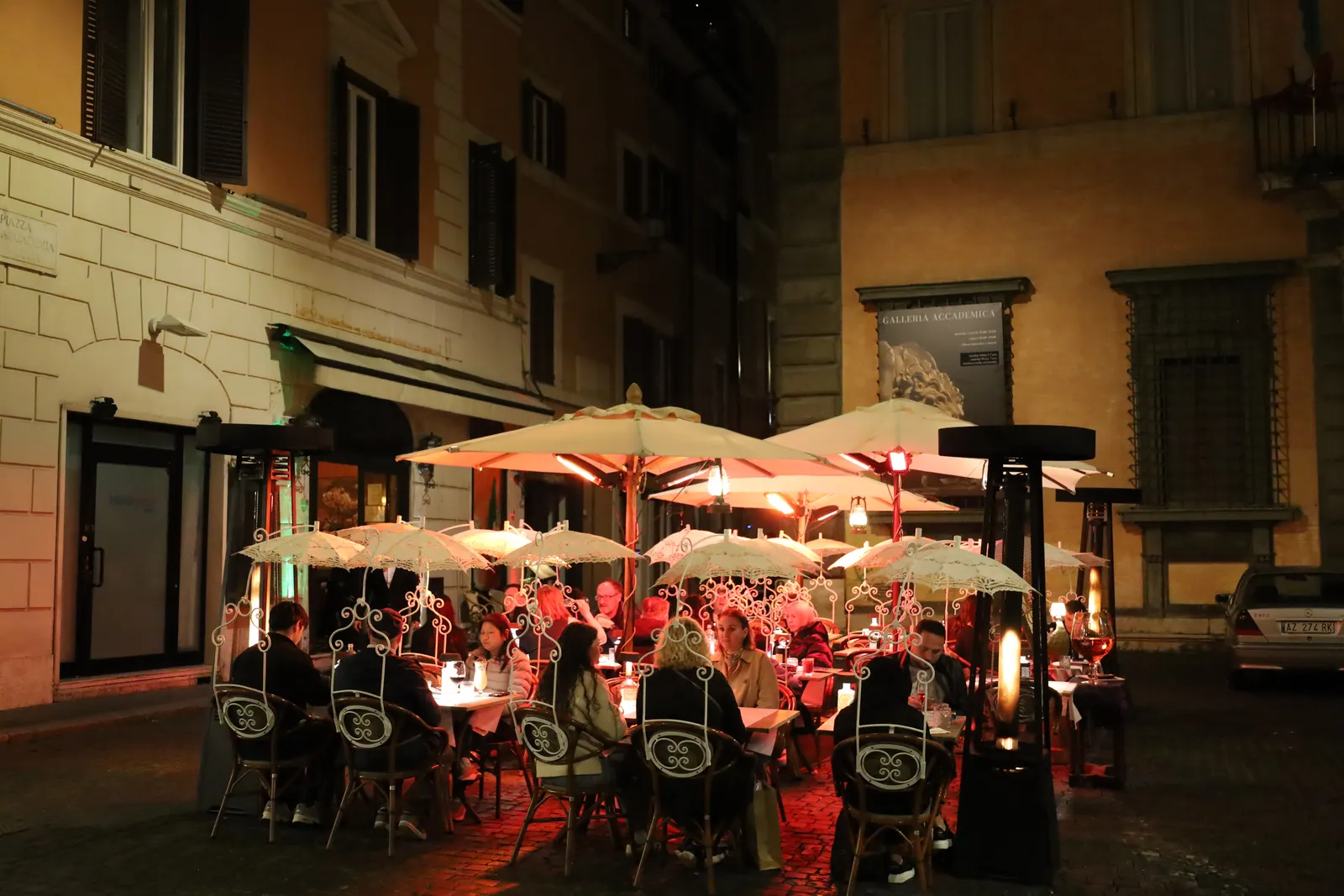
Rome should not be all history and weight. After an evening of ruins and crypts, you want somewhere to relax and enjoy the city. In Rome that almost always means crossing the river to Trastevere: narrow lanes, crowded tables, wine by the glass, late food, people lingering because the city finally feels livable again. There is no entrance fee to any of it. You wander, you find a spot, you sit.
This is also where the cheapest guided option earns its place. A two-hour ghost-and-piazzas walk is the most accessible way into Rome at night, and it tends to end near exactly this kind of neighbourhood. The guide does the historical heavy lifting, then hands you off to the fun part. A strong Rome night can begin with ruins or crypts and end with a table and a carafe, and the transition between the two is half the reason to come.
How I would spend one night
If you are here for the first time, build the night around one paid anchor and let the free city do the rest. Do not try to “do Rome” after dark. Pick the Colosseum, or a crypt and catacomb route, or one of the storytelling walks, and give it your full attention. Then walk it off through the piazzas for nothing. Rome rewards depth over speed, and the transitions are where the magic lives: the moment a church facade disappears behind you, the sound of a fountain when the traffic thins, the turn from a lit square into a black side street.
If you want romance, pair a twilight walk with Trastevere and a stop on the Janiculum. If you want the city to feel ancient and slightly unsettling, go underground with the crypts or catacombs. If you want the headline without the daytime crush, watch for Colosseum night availability and book it early, because the after-hours slots are genuinely limited. If you are travelling with friends and cannot agree, the ghost-and-piazzas walk is the honest compromise: cheap, social, and it still teaches you something.
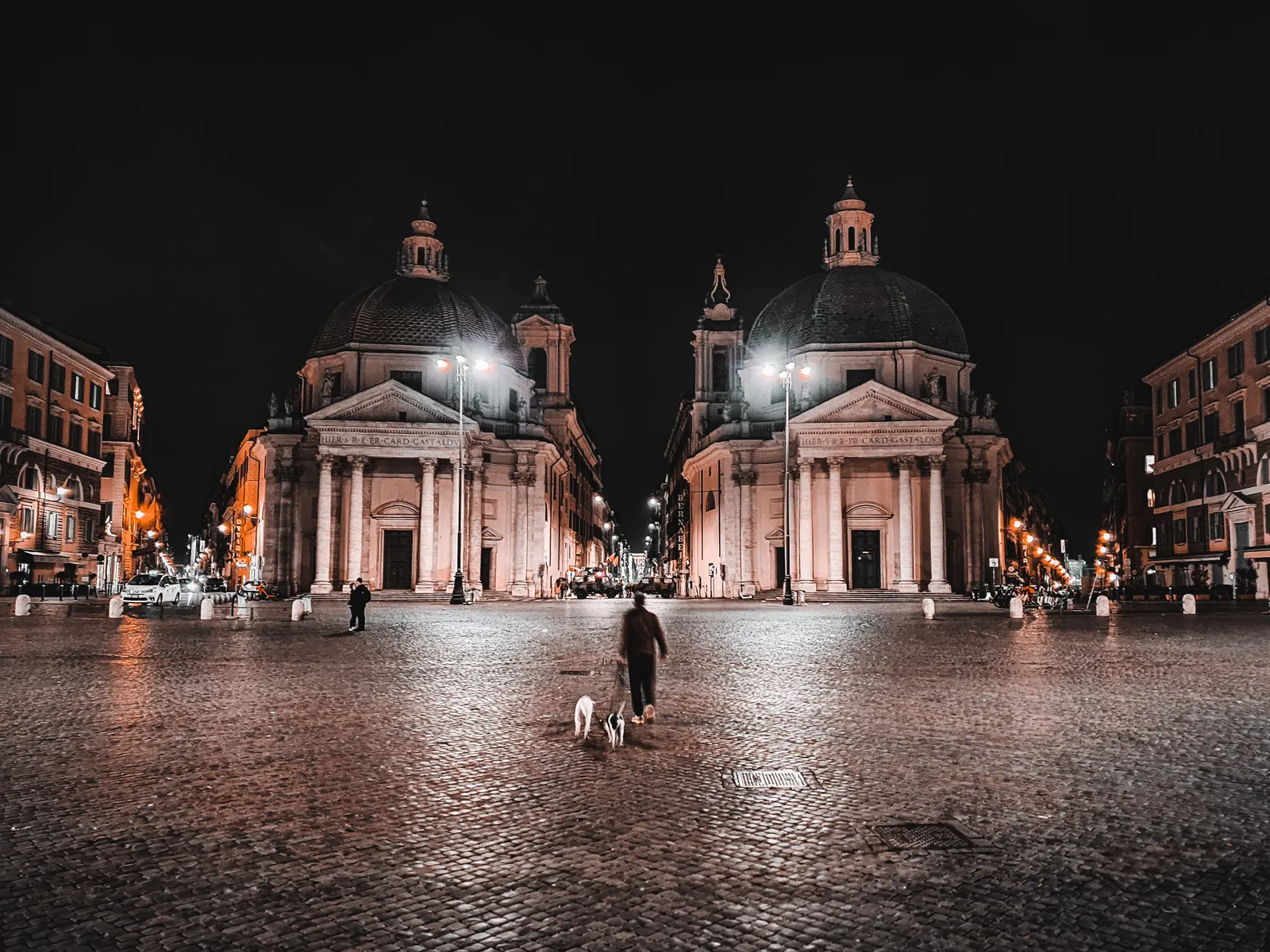
Choose your Rome night
- Free and self-guided: best for a first night. The Trevi-Pantheon-Navona loop, a viewpoint on the Pincio or the Janiculum, and a gelato in the passeggiata cost nothing but shoe leather.
- Colosseum by night: best for travellers who want the headline monument to feel less like a queue and more like a place people died in.
- Crypts or catacombs: best for the darker religious and burial history that daylight Rome keeps politely out of sight.
- Ghosts, mysteries and true crime: best for atmosphere and stories without spending the whole night underground.
- Trastevere finish: best when you want old streets, dinner, and a social end to the evening.
When a guide is worth paying for, and when it is not
Be honest with yourself about which night you are buying. The fountains, the viewpoints, the passeggiata, and the outside of every great monument in Rome are free, and no guide improves them. If all you want is the city floodlit and quiet, keep your money and walk.
A guided tour earns the click when it solves Rome’s actual problem: too much history, too little focus. The right guide narrows the frame. Instead of explaining all of ancient Rome, they make one building, one crypt, or one string of piazzas come alive, and they get you through a door you cannot open yourself. That is why after-hours access matters, and it is the one thing a free night cannot give you. What I would skip is any route that promises every major landmark in one evening. Rome is not better rushed. It is better when the night has a shape: one paid anchor you care about, one long free walk, and one place to land afterward with food, wine, or a view you did not have to fight for.
TAD take: Rome converts when travellers stop treating night as leftover time. After dark is when the city becomes manageable, intimate, and easier to feel, and the smartest itinerary spends freely on one guided hour and nothing at all on the rest.
Book a Rome night tour
Live prices and availability open on each partner site. We may earn a commission, at no extra cost to you.
Browse all Rome after-dark experiences or compare night tours across every city.